Best Authors of All Time: Greatest Writers Who Shaped Literature
The best authors of all time have shaped human thought, emotion, and culture through their masterful storytelling and profound insights. These legendary writers transcended their eras to create works that continue resonating with readers across generations, establishing themselves as the greatest literary figures in history.
Classical Literary Giants Who Defined Literature
The foundation of modern literature rests upon the shoulders of classical authors whose works remain timeless masterpieces. William Shakespeare stands as the most universally recognized writer, having penned 37 plays and 154 sonnets that explore the depths of human nature. His influence on the English language cannot be overstated, with over 1,700 words attributed to his creative genius.
Homer, the ancient Greek poet, created the epic foundations of Western literature with the Iliad and Odyssey. These works, composed in the 8th century BCE, established narrative structures and heroic archetypes that continue influencing storytellers today. Dante Alighieri’s Divine Comedy, written in the early 14th century, revolutionized literature by using vernacular Italian rather than Latin, making profound philosophical and theological concepts accessible to broader audiences.
Shakespeare’s Enduring Literary Impact
William Shakespeare’s influence extends far beyond his 400-year-old works, with his plays performed more frequently than any other playwright in history. Modern adaptations of Romeo and Juliet, Hamlet, and Macbeth continue appearing in theaters, films, and digital platforms across the United States, demonstrating his timeless relevance in contemporary culture.
Ancient Epic Traditions in Modern Context
The epic storytelling techniques pioneered by Homer continue shaping modern narratives, from blockbuster films to bestselling novels. Contemporary authors frequently reference Odyssean journeys and Iliadic conflicts, proving that these ancient literary foundations remain relevant for understanding human experience and adventure.
Modern Literary Masters of the 20th Century
The 20th century produced revolutionary writers who redefined literature through innovative techniques and bold storytelling. Ernest Hemingway’s minimalist prose style influenced generations of writers, while his works like The Old Man and the Sea and A Farewell to Arms captured the American spirit during turbulent times. His iceberg theory of writing, where deeper meaning lies beneath simple surface narratives, became a fundamental literary technique.
Virginia Woolf pioneered stream-of-consciousness writing, transforming how authors could explore characters’ inner lives. Her novels Mrs. Dalloway and To the Lighthouse challenged traditional narrative structures while addressing themes of mental health, feminism, and social class that remain highly relevant in contemporary discussions.
Hemingway’s Influence on American Literature
Ernest Hemingway’s distinctive writing style, characterized by understated emotion and precise language, established the template for modern American fiction. His influence appears in countless contemporary authors who adopted his economical prose approach, making complex emotions accessible through seemingly simple storytelling techniques.
Virginia Woolf’s Revolutionary Narrative Techniques
Virginia Woolf’s experimental approach to narrative structure opened new possibilities for exploring consciousness and time in literature. Her stream-of-consciousness technique influenced major authors like James Joyce and continues inspiring contemporary writers who seek to capture the complexity of human thought in their fictional works.
Contemporary Literary Voices Reshaping Modern Fiction
Contemporary literature features diverse voices that reflect our globalized world while addressing universal human experiences. Toni Morrison’s powerful exploration of African American history and identity earned her both the Pulitzer Prize and Nobel Prize in Literature. Her novels, including Beloved and Song of Solomon, confront difficult historical truths while celebrating resilience and community strength.
Haruki Murakami has captivated global audiences with his unique blend of magical realism and contemporary Japanese culture. His novels like Norwegian Wood and Kafka on the Shore have sold millions of copies worldwide, establishing him as one of the most translated living authors. His distinctive style combines mundane reality with surreal elements, creating narratives that resonate across cultural boundaries.
Science Fiction and Fantasy Literary Pioneers
Science fiction and fantasy genres have produced authors whose imaginative works predicted technological advances and explored alternative realities. Isaac Asimov’s Foundation series and robot stories established fundamental concepts that continue influencing both literature and technology development. His Three Laws of Robotics remain relevant discussions in modern artificial intelligence development.
J.R.R. Tolkien created the template for modern fantasy literature with The Lord of the Rings trilogy, establishing world-building techniques that countless authors have emulated. His detailed creation of Middle-earth, complete with languages, histories, and cultures, set the standard for fantasy world creation. Douglas Adams revolutionized science fiction comedy with The Hitchhiker’s Guide to the Galaxy, proving that humor and philosophical depth could coexist in speculative fiction.
Asimov’s Technological Prophecies
Isaac Asimov’s prescient visions of robotics, artificial intelligence, and space exploration continue proving remarkably accurate as technology advances. His systematic approach to scientific storytelling established science fiction as a legitimate genre for exploring technological and social implications of scientific progress.
Tolkien’s World-Building Legacy
J.R.R. Tolkien’s meticulous approach to creating fictional worlds established the foundation for modern fantasy literature and influenced countless authors, game designers, and filmmakers. His emphasis on linguistic authenticity and historical depth created the gold standard for fantasy world-building that continues inspiring creative works today.
Bestselling Authors Who Defined Popular Literature
Popular literature has been dominated by authors who mastered the art of combining commercial appeal with literary quality. Stephen King, often called the Master of Horror, has sold over 350 million books worldwide while consistently producing works that explore deeper themes of good versus evil, small-town America, and human psychology under extreme circumstances.
Agatha Christie remains the bestselling novelist of all time, with over 2 billion books sold worldwide. Her detective characters Hercule Poirot and Miss Marple established the template for modern mystery fiction, while her intricate plot constructions continue challenging and delighting readers nearly a century after her debut.
International Authors Who Transcended Cultural Boundaries
Literature’s greatest authors often transcend their cultural origins to speak to universal human experiences. Gabriel García Márquez pioneered magical realism with One Hundred Years of Solitude, creating a narrative style that influenced authors worldwide while telling distinctly Latin American stories. His Nobel Prize recognition in 1982 brought international attention to Latin American literature.
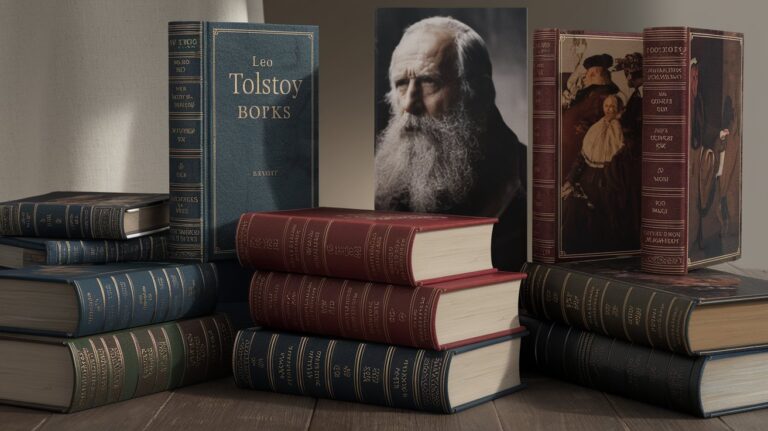
Leo Tolstoy’s epic novels War and Peace and Anna Karenina explore universal themes of love, war, and social change through distinctly Russian perspectives. His psychological depth and philosophical insights have influenced authors across cultures and time periods, establishing him as one of the most important novelists in world literature.
García Márquez’s Magical Realism Impact
Gabriel García Márquez’s magical realism technique revolutionized contemporary fiction by seamlessly blending fantastical elements with realistic narratives. This approach influenced authors worldwide and demonstrated how cultural storytelling traditions could enhance universal literary themes.
Tolstoy’s Philosophical Literary Approach
Leo Tolstoy’s integration of philosophical inquiry with compelling storytelling created novels that function as both entertainment and intellectual exploration. His approach to combining moral questioning with narrative excellence established a template for literature that seeks to both engage and enlighten readers.
Women Writers Who Revolutionized Literature
Female authors have consistently pushed literary boundaries while often facing significant obstacles in publishing and recognition. Jane Austen’s wit and social commentary in novels like Pride and Prejudice and Emma established her as a master of social satire while creating some of literature’s most beloved characters. Her influence on romantic fiction and social commentary remains profound in contemporary literature.
Octavia E. Butler revolutionized science fiction by incorporating themes of race, gender, and power into speculative narratives. Her Parable series and Patternmaster novels demonstrated how science fiction could address social issues while telling compelling stories about human adaptation and survival. Her work paved the way for diverse voices in science fiction and fantasy genres.
Measuring Literary Greatness in the Digital Age
Determining the greatest authors requires considering multiple factors including cultural impact, literary innovation, enduring popularity, and influence on subsequent writers. Sales figures provide one metric, with authors like J.K. Rowling achieving unprecedented success through the Harry Potter series, selling over 500 million books worldwide and creating a multimedia franchise.
However, literary greatness extends beyond commercial success to include critical recognition, educational curriculum inclusion, and continued relevance across generations. The most enduring authors typically demonstrate mastery across multiple criteria, combining innovative techniques with universal themes that resonate across cultures and time periods.
Related video about best authors of all time
This video complements the article information with a practical visual demonstration.
Questions & Answers
Who is considered the greatest author of all time?
William Shakespeare is most commonly considered the greatest author of all time due to his profound influence on literature, language, and culture. His 37 plays and 154 sonnets continue being performed, studied, and adapted worldwide over 400 years after his death, demonstrating unparalleled enduring relevance and artistic achievement.
Who is the #1 best-selling author of all time?
Agatha Christie holds the record as the best-selling novelist of all time, with over 2 billion books sold worldwide. Her detective novels featuring Hercule Poirot and Miss Marple have been translated into more languages than any other author except Shakespeare, establishing her commercial supremacy in publishing history.
What are the 10 greatest books ever written?
The greatest books typically include Don Quixote by Cervantes, To Kill a Mockingbird by Harper Lee, 1984 by George Orwell, Pride and Prejudice by Jane Austen, The Great Gatsby by F. Scott Fitzgerald, One Hundred Years of Solitude by García Márquez, Hamlet by Shakespeare, War and Peace by Tolstoy, The Catcher in the Rye by Salinger, and Lord of the Rings by Tolkien.
What factors determine the best authors of all time?
The best authors are determined by literary innovation, cultural impact, enduring popularity, critical recognition, influence on other writers, and universal appeal across generations. These factors include technical mastery, thematic depth, commercial success, educational inclusion, and the ability to transcend cultural and temporal boundaries while addressing fundamental human experiences.
How do modern authors compare to classical writers?
Modern authors benefit from diverse perspectives, technological tools, and global audiences while classical writers established foundational techniques and themes. Contemporary literature offers greater diversity in voices and subjects, while classical works provide timeless insights and technical mastery that continue influencing modern writers and readers.
What makes an author’s work timeless and enduring?
Timeless authors create works that address universal human experiences like love, death, power, justice, and identity through innovative techniques and compelling storytelling. Their works remain relevant across cultures and generations because they explore fundamental questions about human nature while demonstrating exceptional literary craftsmanship and emotional resonance.
| Literary Era | Representative Authors | Key Contributions |
|---|---|---|
| Classical Period | Shakespeare, Homer, Dante | Foundational techniques and universal themes |
| Modern Literature | Hemingway, Woolf, Joyce | Experimental narrative and psychological depth |
| Contemporary Works | Morrison, Murakami, García Márquez | Diverse voices and global perspectives |
| Genre Innovation | Tolkien, Asimov, Christie | Specialized storytelling and world-building |